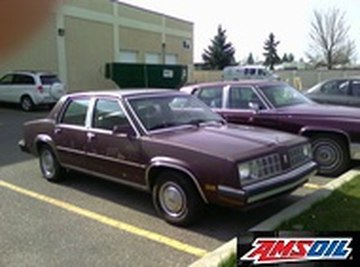
Maintaining Lubrication Integrity for the 1980 Oldsmobile OMEGA 2.8L
Proper engine care for a vehicle of this era requires a focus on consistent monitoring and proactive inspection. For an owner of a 1980 Oldsmobile OMEGA with the 2.8L engine, maintaining the lubrication system is a fundamental aspect of long-term mechanical health. Because older engines rely on specific material tolerances and seal compositions, staying attentive to fluid condition and potential leaks can prevent more significant mechanical issues down the road.Monitoring Fluid Condition and Potential Leaks
One of the most effective ways to monitor the health of the 2.8L engine is through regular visual inspections. Over time, various gaskets and seals may experience changes in their ability to hold fluids effectively. It is useful to periodically inspect the area around the engine for any signs of seepage or active leakage. Finding evidence of fluid near sealing surfaces early can allow for planned maintenance rather than unexpected repairs. When performing these checks, look for:- Wetness or residue on the exterior of the engine block or near various covers.
- Accumulated grime that may be trapping leaked fluids.
- Any discoloration on the ground beneath where the vehicle is parked.
Observing Potential Warning Signs
While many lubrication issues manifest slowly, certain symptoms should be addressed promptly. If you notice unusual mechanical noises while the engine is running, this can sometimes be related to the state of the internal lubrication. Similarly, if you observe any changes in the appearance or smell of the oil during a routine check, it is important to investigate the cause. It is also helpful to stay alert for:- Warning indicators on the dashboard that may relate to engine operation.
- Evidence of overheating, which can sometimes be linked to improper lubrication or cooling efficiency.
- Unusual exhaust characteristics that might suggest oil is entering the combustion process.
Prioritizing Maintenance Based on Current Condition
For a vehicle from 1980, maintenance priorities should ideally be driven by the current physical condition of the machine rather than just its age or mileage. If you are stepping into ownership of an OMEGA where the service history is incomplete, establishing a maintenance baseline is a wise first step. This involves performing a comprehensive inspection of all fluids and accessible components to understand the vehicle's current state. If you find that there are active leaks or if certain service intervals appear to have been missed, these should be addressed before focusing on more elective maintenance. Reviewing any available repair records can also provide context regarding what has already been replaced or serviced. This historical perspective helps in distinguishing between necessary preventive maintenance and unnecessary parts replacement. By focusing on the actual condition of the 2.8L engine, you can allocate resources toward the most impactful service tasks first.Managing Aging Components and Materials
As vehicles age, the materials used in their construction—such as rubber hoses or various electrical connections—can undergo changes. If equipped, inspecting accessible drive belts for signs of cracking, glazing, or fraying is a practical part of a routine service. Similarly, checking the condition of any visible hoses can help ensure that the cooling and vacuum systems remain intact. Electrical integrity is another area worth monitoring. Inspecting wiring and electrical connectors for signs of corrosion or brittleness can prevent intermittent issues. When performing these inspections, it is more effective to look for actual evidence of deterioration rather than assuming a part must be replaced simply because the vehicle is decades old. A component that appears well-maintained and intact does not necessarily require immediate replacement, even if it is an original part.Effective Record Keeping for Long-Term Ownership
Maintaining a detailed log of all service performed on the 1980 Oldsmobile OMEGA can be highly beneficial. Keeping track of when oil was changed, which filters were used, and any repairs that were completed provides a clear picture of the vehicle's maintenance trajectory. This documentation is particularly useful if you ever decide to sell the vehicle or if you need to consult a mechanic about recurring issues. A well-kept record allows you to:- Identify patterns in fluid consumption or component wear.
- Ensure that no critical service tasks are overlooked.
- Provide evidence of consistent care, which can be valuable for long-term ownership.
Practical Guidance for Buying Engine Oil for your 1980 Oldsmobile OMEGA 2.8L
When it is time to replenish the lubrication in your engine, the most important step is to ensure the product matches the specific requirements of your application. Do not rely on general automotive knowledge or assumptions based on the vehicle's age to select a lubricant. Instead, match the engine oil to the application-specific viscosity information already displayed on this webpage. When you are ready to purchase, consider the following:- Verify that the oil meets the appropriate API certification for your needs.
- Check the product labeling carefully to ensure the grade matches what is listed in your vehicle's documentation.
- If your engine has high mileage, you may consider looking at high-mileage formulations, which some contain additives intended for use in aging engines.
- Always confirm that the oil you are buying is compatible with the specific requirements shown in the application information provided above.